Get Energy Audit Service
Energy Audit Services help property owners identify energy inefficiencies and recommend improvements for projects like insulation, HVAC, lighting, and overall energy use.
Energy audits are a valuable step for property owners looking to better understand their building’s energy use and identify opportunities for efficiency improvements. Whether planning renovations, upgrades, or simply aiming to reduce operational costs, having insights from experienced local contractors can help inform smarter decisions. This service provides practical information that supports effective project planning and helps compare options available within the local area.
By exploring energy audit services, property owners can gain a clearer picture of their energy consumption and uncover potential areas for savings. Connecting with qualified local service providers ensures access to expertise tailored to the specific characteristics of properties in the area. Keep reading to learn more about how energy audits can support your property projects and how to find the right local professionals for your needs.
- Commercial Energy Audits - businesses seeking to identify energy inefficiencies to reduce operational costs can benefit from these services.
- Residential Energy Audits - homeowners looking to improve home energy performance and lower utility bills may need a comprehensive assessment.
- Industrial Energy Audits - manufacturing facilities aiming to optimize energy use and enhance process efficiency often require specialized evaluations.
- New Construction Energy Assessments - builders and developers planning energy-efficient buildings can utilize these audits during the design phase.
- Retrofitting and Upgrade Evaluations - property owners considering upgrades to existing systems to improve energy savings may seek professional assessments.
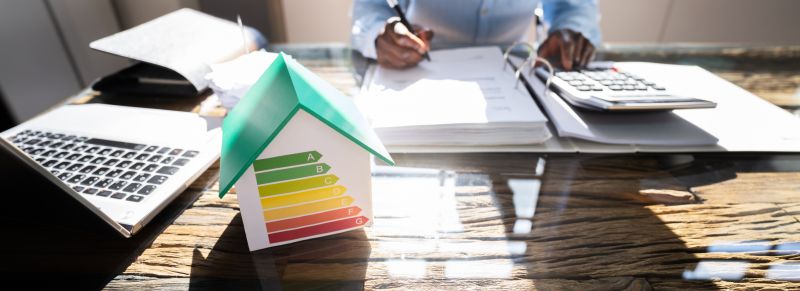
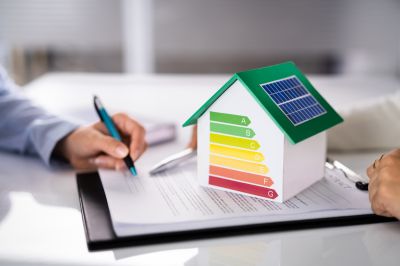
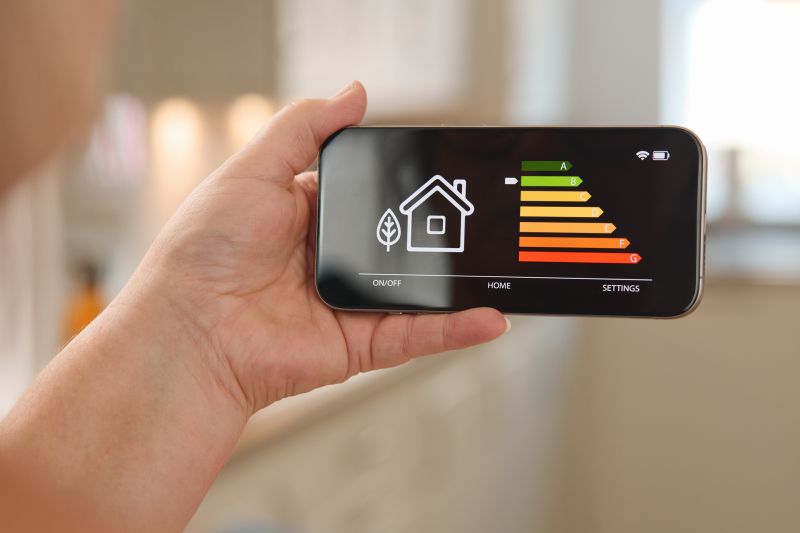
An energy audit service involves a comprehensive assessment of a property's energy usage and efficiency. Skilled service providers evaluate how energy is consumed throughout the home or building, identifying areas where energy is wasted or used inefficiently. This process typically includes inspecting insulation, windows, heating and cooling systems, appliances, and lighting. The goal is to gather detailed information about current energy performance and pinpoint specific issues that, when addressed, can lead to improved comfort and reduced energy costs.
Energy audits help solve common problems such as high utility bills, uneven indoor temperatures, drafts, and excessive heating or cooling demands. By uncovering hidden inefficiencies, homeowners can make informed decisions about upgrades or adjustments that enhance energy performance. The service also provides practical recommendations for improvements, like sealing leaks, upgrading insulation, or optimizing HVAC systems. These steps can make a noticeable difference in daily comfort and long-term savings, helping households manage energy consumption more effectively.
Typically, energy audit services are used for a variety of property types, including single-family homes, multi-family residences, and small commercial buildings. Homeowners who notice their heating or cooling systems are working harder than they should, or who experience drafts and uneven temperatures, often seek these assessments. Properties that have undergone recent renovations or those with outdated insulation and windows are also common candidates. Essentially, any property aiming to improve energy efficiency or reduce utility costs can benefit from an energy audit conducted by experienced local contractors.
Engaging a local service provider for an energy audit offers a practical way to understand and improve a property's energy performance. These professionals use specialized tools and techniques to evaluate current conditions and identify opportunities for making cost-effective upgrades. Whether addressing persistent energy bills, comfort issues, or preparing a property for future improvements, a thorough energy audit provides valuable insights. Contacting local contractors can connect homeowners with the expertise needed to make informed decisions and implement effective energy solutions.
The overview below groups typical Energy Audit Service projects into broad ranges so you can see how smaller, mid-sized, and larger jobs often compare in your area.
In many markets, a large share of routine jobs stays in the lower and middle ranges, while only a smaller percentage of projects moves into the highest bands when the work is more complex or site conditions are harder than average.
Smaller Energy Audits - Typical costs range from $250 to $600 for routine assessments of small to medium-sized homes. Many projects fall within this middle range, with fewer jobs reaching the lower or higher ends of the spectrum.
Comprehensive Home Evaluations - Larger, more detailed audits for bigger properties or complex systems usually cost between $600 and $1,200. These more extensive assessments are less common but may be necessary for thorough analysis.
Energy Efficiency Improvements - Cost for recommended upgrades or retrofit work identified during an audit can vary widely, often falling between $1,000 and $5,000 depending on scope. Many projects in this category tend to land in the mid-range, with some larger projects exceeding $5,000.
Full System Replacements - Replacing major energy systems, such as HVAC units or insulation, can cost from $3,000 to over $10,000. These high-end projects are less frequent but represent the upper tier of typical expenses for energy upgrades.
Actual totals will depend on details like access to the work area, the scope of the project, and the materials selected, so use these as general starting points rather than exact figures.
Building Envelope Inspections - local contractors who perform building envelope assessments use similar skills to identify areas where energy efficiency can be improved through insulation and sealing improvements.
HVAC System Evaluations - service providers conducting HVAC assessments analyze system performance and efficiency, aligning with the planning involved in energy audits.
Indoor Air Quality Testing - professionals who assess indoor air quality utilize diagnostic tools and planning methods comparable to those used in comprehensive energy audits.
Lighting Efficiency Assessments - local lighting specialists evaluate lighting systems for energy savings, requiring similar analysis and planning as energy audits.
Renewable Energy Site Assessments - providers who evaluate solar or wind energy potential apply similar site analysis skills as those used in energy auditing services.
Energy Management System Consulting - consultants who optimize building energy controls and automation employ planning and diagnostic techniques akin to energy audits.
When comparing service providers for an energy audit, it’s important to consider their experience with similar projects. Homeowners should look for local contractors who have a proven track record in conducting energy assessments in residential settings comparable to their own. An experienced provider will be familiar with common issues and effective solutions, helping to ensure the audit is thorough and useful. Asking about the types of homes or properties they have worked on can provide insight into their familiarity with specific challenges and building characteristics.
Clear written expectations are essential for a successful engagement. Homeowners should seek out service providers who can provide detailed descriptions of what the energy audit entails, including the scope of work, the kind of information they will provide, and any follow-up recommendations. Having this information in writing helps establish a mutual understanding of the process and ensures that both parties are aligned on what will be delivered. Transparency in expectations can also help prevent misunderstandings and make the overall experience smoother.
Reputable references and good communication are key factors when selecting local contractors. Homeowners are encouraged to ask for references from previous clients who had similar projects completed. Speaking with past customers can offer valuable insights into the quality of work and professionalism of the provider. Additionally, service providers who communicate clearly and promptly-whether through phone, email, or other channels-are often easier to work with and more responsive to questions or concerns. These qualities can help build confidence that the chosen professional will be reliable and attentive throughout the process.
Property owners use Energy Audit Service services for practical projects around their homes and businesses. This guide focuses on everyday jobs and straightforward project options.

Energy audit services are often sought by property owners who want to better understand how their homes or buildings are using energy. Common situations include noticing unusually high utility bills, experiencing drafts or uneven temperatures, or wanting to identify ways to improve overall comfort. Local contractors can perform these assessments to pinpoint areas where energy might be wasted, helping owners make informed decisions about upgrades or improvements.
Many property owners turn to local service providers for energy audits when planning renovations or upgrades. Whether preparing to install new insulation, upgrade heating and cooling systems, or improve windows, an energy audit provides valuable insights. These professionals can evaluate the current energy performance of a property and suggest practical steps to enhance efficiency, making it easier for owners to prioritize improvements and manage costs effectively.
What is an energy audit? An energy audit is an assessment conducted by local contractors to evaluate a property's energy use and identify areas where energy efficiency can be improved.
Why should I consider an energy audit? An energy audit can help identify opportunities to reduce energy consumption, lower utility bills, and improve overall home or building efficiency.
How do local service providers perform an energy audit? They typically inspect the property, review energy bills, and analyze systems to pinpoint inefficiencies and recommend improvements.
What types of properties can benefit from an energy audit? Both residential and commercial properties can benefit from energy audits to optimize energy use and reduce costs.
How can I find local contractors for an energy audit? Use a lead generation service to compare and connect with local professionals experienced in conducting energy assessments.
Energy Efficiency Assessment - Property owners can identify areas where energy is being wasted and explore ways to improve overall efficiency.
Insulation and Air Sealing Checks - Homeowners can determine if their insulation and sealing are adequate to maintain comfortable indoor temperatures.
Heating and Cooling System Evaluation - Residents can review their HVAC systems to ensure they operate efficiently and reduce unnecessary energy consumption.
Utility Cost Reduction Ideas - Property owners can discover practical strategies to lower utility bills through targeted energy improvements.
If you are thinking about Energy Audit Service for a property, this guide is meant to help you understand the work, the typical project types, and how different options might fit your plans.
When you are ready, you can use the quote form on this page to share a few details about your project. From there, local pros can review the basics and respond with options that match what you have in mind.